时间才是最好的计量单位
它给不出具体的或者是相近答案
而它会让你看清答案
《溯光》
【序章】
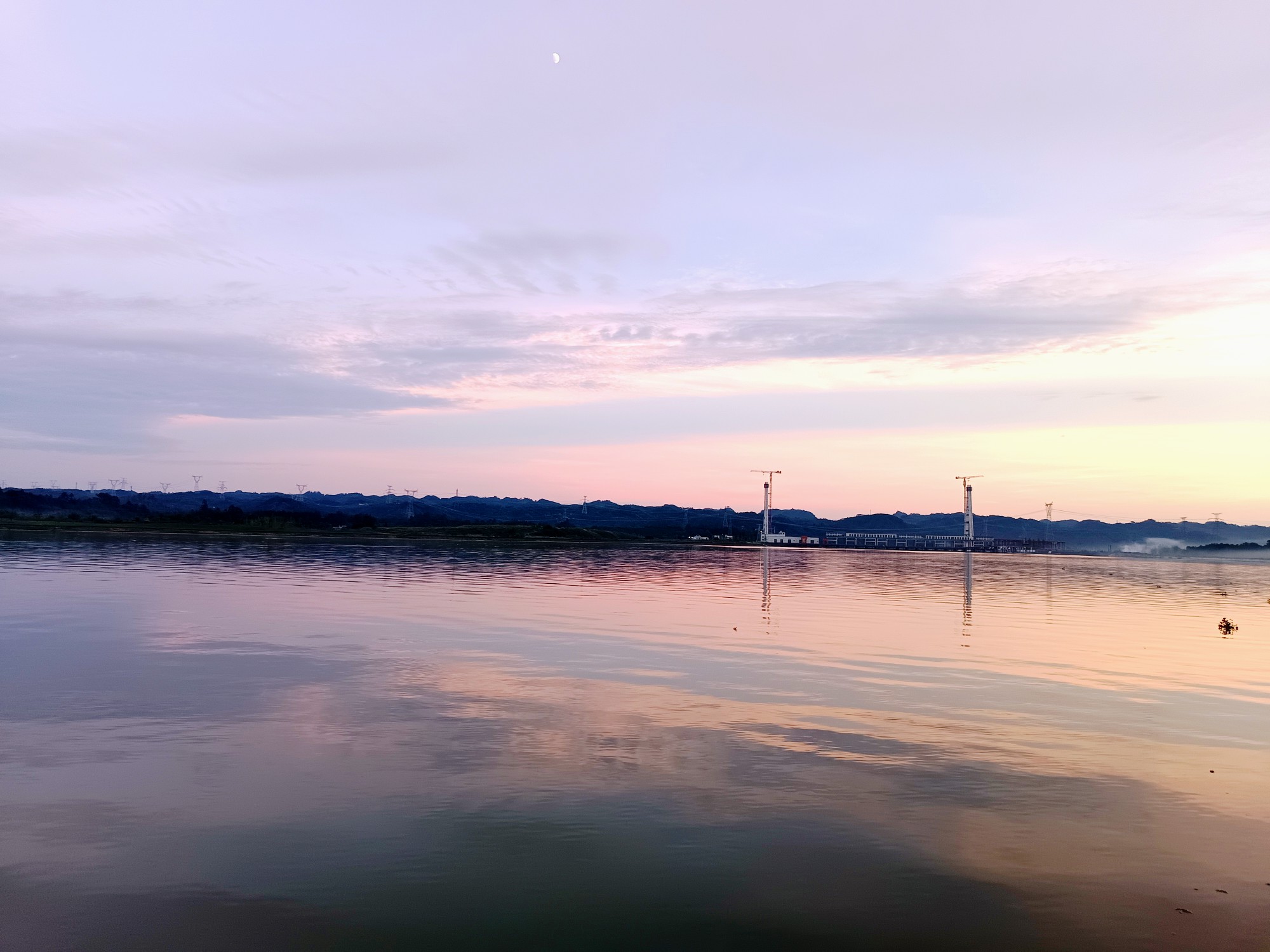
时间河上,孤舟如笔;
回望,是已沉的星屑,
前瞻,是未启的曙色。
Time’s river: a lone brush of boat;
astern, sunken stardust,
ahead, unopened auroras.
【第一章·逝水】
不可追的,不只是落花,
还有倒映在波心的旧我。
Let the fallen be fallen,
let the mirrored “I” in ripple
dissolve into the current.
把遗憾折成纸船,
放它顺流而下,
在看不见的地方
替我们沉没。
Fold regret into a paper ark,
set it adrift;
where sight fails,
let it sink for us.
【第二章·待航】
未来是一页空白奏谱,
风未谱,雨未谱,
唯心跳是预置的节拍。
Tomorrow is blank score:
wind unnotated, rain unnotated,
only the heart pre-sets its beat.
我们以脚步为音符,
一步一阕,
踩出尚未命名的旋律。
With footfalls for notes
we compose—
a melody still unnamed.
【第三章·溯光】
于是把昨日调成薄雾,
蒙在眼上,
却不蒙在心。
Thus we dilute yesterday into mist,
veil the eyes,
never the heart.
把明日写成斜体字,
倾斜的角度
正是迎风的方向。
We write tomorrow in italics,
its slant
the precise angle of facing wind.
【尾声】
舟仍单行,河仍单向,
而我们已学会
在每一次划桨里
同时告别与召唤。
Boat still single, river still one-way,
yet we have learnt
in every stroke
to bid farewell and summon
in the same ripple.
当雾散,
水面浮起一句微光:
“过去不可追,未来犹可待。”
When haze lifts,
the water bears a line of light:
Beyond reach, still to come.
过去不可追,未来犹可待
The Past is Beyond Reach, the Future is Yet to Come.
The river of time flows in one direction. We stand in a boat, looking back at the receding waves and forward to the boundless ocean. As an ancient saying goes, “Let the past rest, focus on the future.” This encapsulates a profound truth: dwelling on the past is futile; only by seizing the future do we embrace infinite possibilities.
The past, whether crowned with success or scarred by failure, is frozen in history. If the halo of success becomes a burden, it hinders us from climbing new heights; if the shadow of failure turns into a nightmare, it robs us of the courage to move forward. We should learn from the past, not use it as an excuse for inaction. The poet Tagore wisely said, “If you shed tears when you miss the sun, you also miss the stars.” This reminds us that weeping over an unchangeable past only causes us to miss the opportunities of the present.
In contrast, the future is like a blank canvas, full of unknowns and hope, waiting for us to paint with our actions and water with our sweat. The character “待” (to await) in “the future is yet to come” does not imply passive waiting, but active anticipation and preparation. It means setting goals, making plans, and putting in steadfast effort. Today is the future of yesterday and the past of tomorrow. Therefore, cherishing the present and living each day to the fullest is the best way to welcome the future.
Let us learn to travel light. Let us store away the regrets and glories of the past, transforming them into inner wisdom and composure. Then, with confidence and hope, let us stride bravely towards that promising tomorrow which we will create with our own hands.